Building Confidence as a Singer: Overcoming Stage Fright and Performance Anxiety
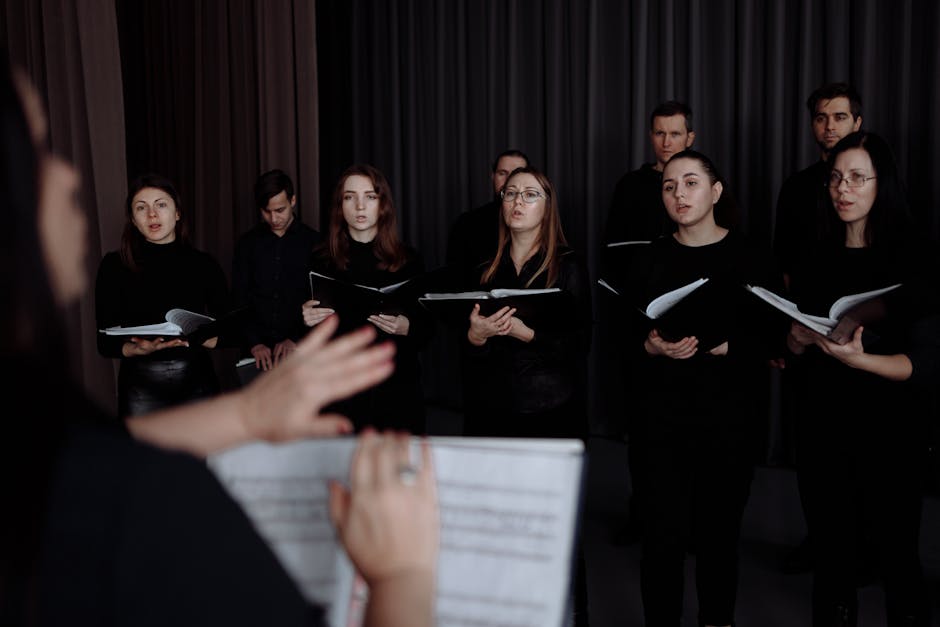
Whether you're performing your first concert or your fiftieth, pre-performance nerves are completely normal. The good news is that with the right strategies, you can manage anxiety and actually use that nervous energy to enhance your performance. Here's how to build genuine confidence as a choir singer.
Understanding Performance Anxiety
Those butterflies in your stomach before a performance aren't a sign you're not ready—they're a sign you care about doing well. A little nervousness actually improves performance by sharpening focus and increasing adrenaline. The key is learning to channel that energy positively rather than letting it overwhelm you.
Preparation is Everything
The single best way to reduce performance anxiety is thorough preparation. Know your music inside out. Attend all rehearsals, practise your part at home, and listen to recordings of the pieces you're performing.
When you're well-prepared, your confidence naturally increases. You'll trust your muscle memory and vocal training, which allows you to perform without overthinking every note.
Physical Techniques to Manage Nerves
Deep breathing: Before going on stage, take slow, deep breaths. Breathe in for a count of four, hold for four, and exhale for four. This calms your nervous system and prepares your diaphragm for singing.
Progressive muscle relaxation: Tense and then release different muscle groups. This releases physical tension that anxiety creates.
Warm-ups: A proper vocal warm-up isn't just about preparing your voice—it also settles nerves and gives you something familiar to focus on.
Movement: Gentle stretching or walking helps burn off nervous energy. Don't stand still worrying; keep your body engaged.
Mental Preparation Strategies
Visualization: Spend a few minutes before the performance imagining yourself singing beautifully. Visualize the audience, the stage, and yourself performing confidently. This mental rehearsal actually primes your brain for success.
Positive self-talk: Replace anxious thoughts with encouraging ones. Instead of "I might forget the words," think "I've prepared well, and I know this music."
Focus on the music, not the audience: Remember that you're not performing for the audience to judge you—you're sharing something beautiful with them. Focus on the music itself and the other singers around you.
The Power of Community
One of the greatest advantages of choir singing is that you're not performing alone. You're part of a group, which is incredibly reassuring. The singers around you provide support, and if you lose your place, you can follow them back in.
Talk to your fellow choir members about pre-performance nerves. You'll likely discover that even the most confident-seeming singers feel anxious sometimes. This shared experience creates camaraderie and mutual support.
Learning From Each Performance
After every performance, take a moment to acknowledge what went well. Did you hit that difficult high note? Did you maintain good posture? Did you feel connected to the music? Celebrating your successes, however small, builds confidence for the next performance.
If something didn't go perfectly, remember that audiences rarely notice what singers worry about. What they remember is the overall beauty of the music and the emotional experience. One imperfect note doesn't diminish an otherwise wonderful performance.
Remember Your Why
When anxiety strikes, remember why you joined the choir. You love singing. You enjoy the community. You want to share beautiful music with others. These are powerful motivators that can override performance anxiety.
With each performance, your confidence grows. Before long, you'll find that nervous anticipation transforms into genuine excitement about sharing your voice with the world.